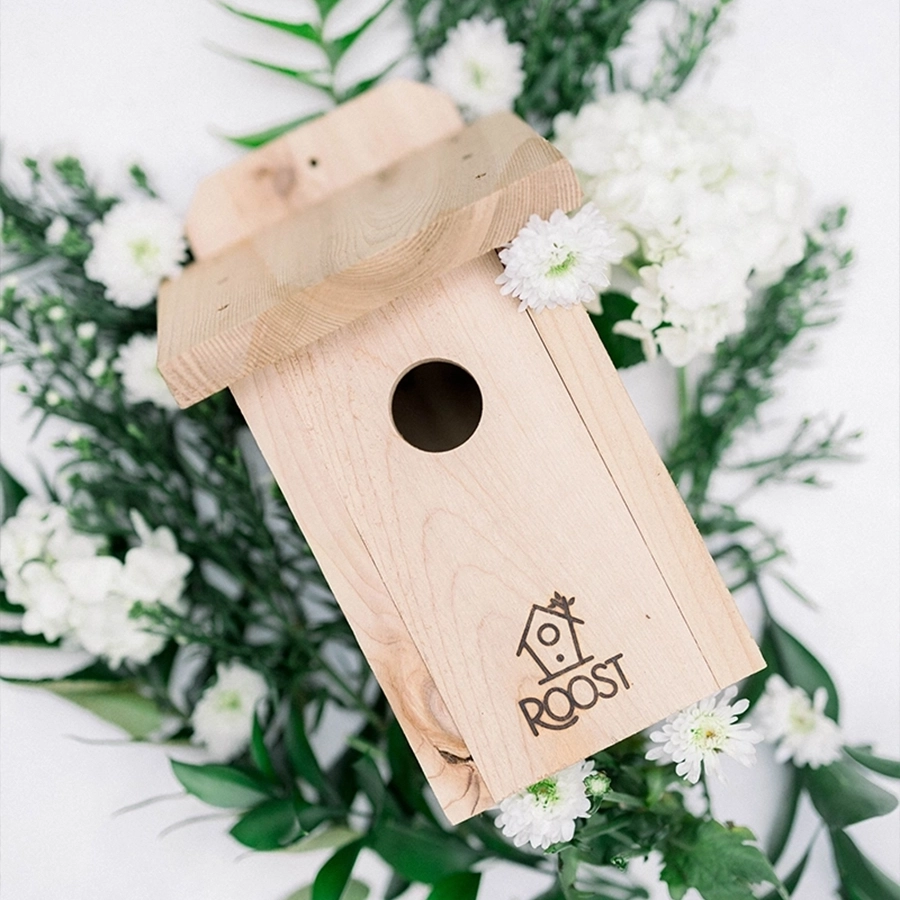
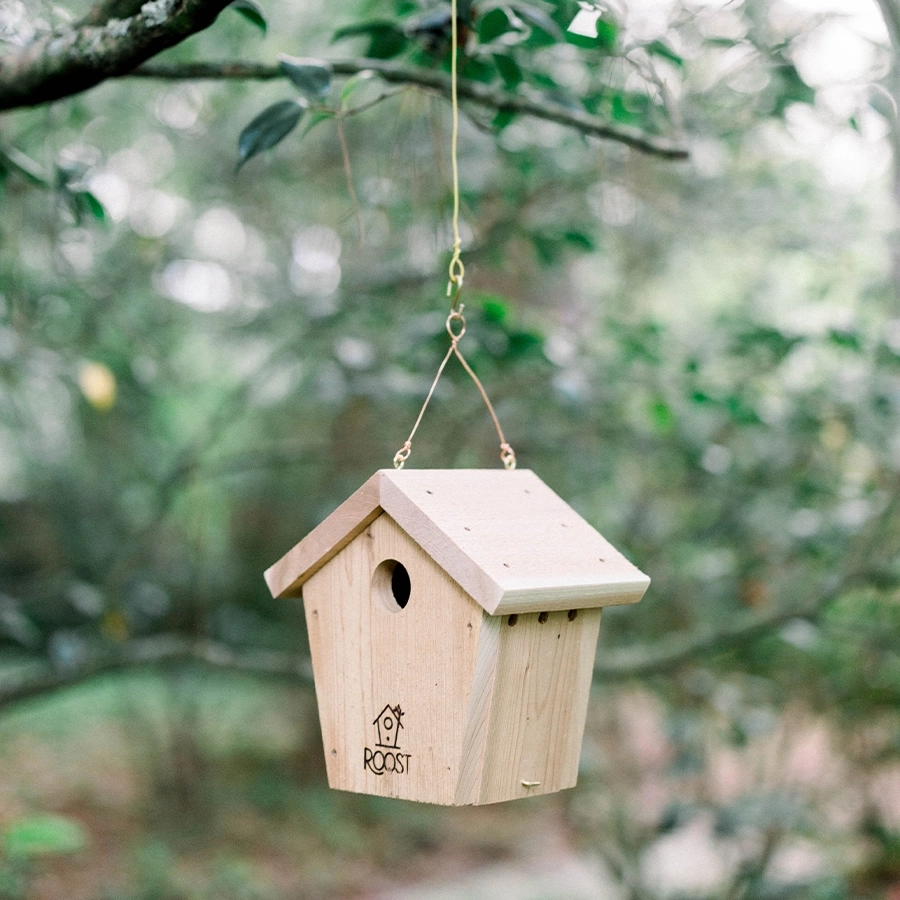
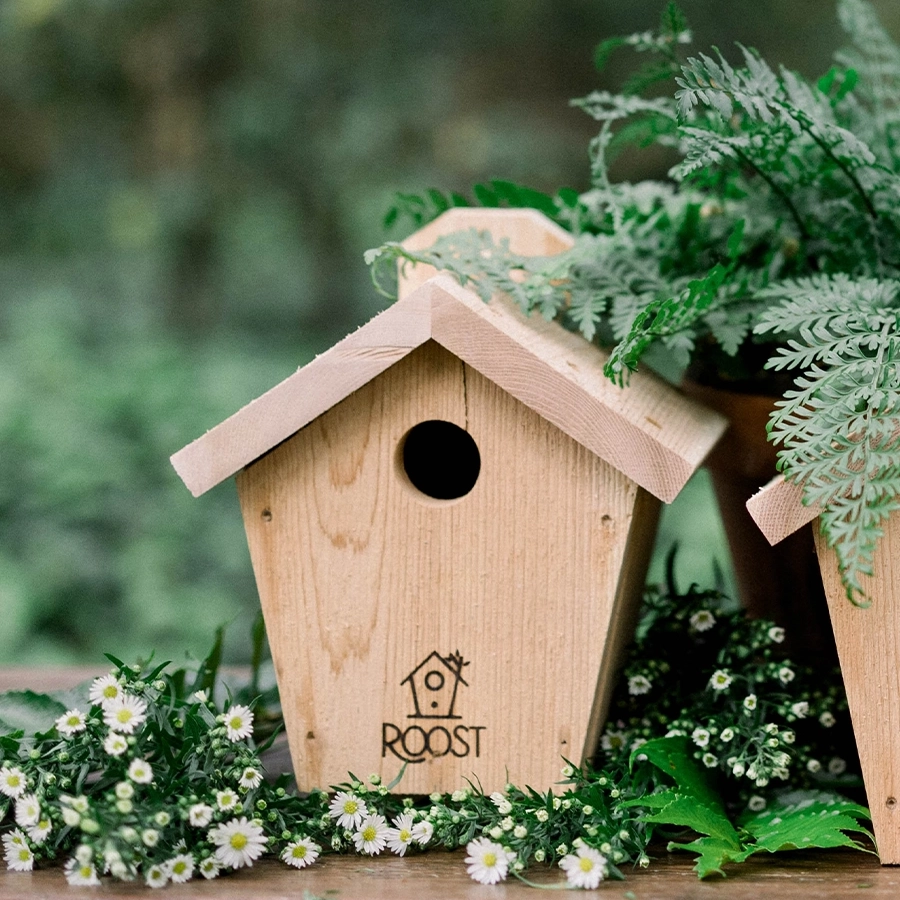
The bluebird, with its brilliant plumage and cheerful song, has long been a beloved symbol of happiness and renewal. But bluebirds face a growing challenge: finding safe, reliable nesting sites. Bluebirds are cavity-nesters, meaning they naturally seek out holes in trees or fence posts to build their nests. However, as natural spaces are lost to development and old trees with natural cavities become scarce, bluebirds often struggle to find the safe shelter they need to raise their young.
This lack of shelter makes bluebirds vulnerable to predation and environmental threats, and many traditional nesting spots are also now dominated by more aggressive bird species. Birdhouses are a simple yet powerful way to support bluebird populations, offering them the safe, stable nesting spaces they need. A well-placed birdhouse protects bluebird nests from harsh weather and provides safety from predators, increasing the chances of a successful breeding season.
When bluebirds have secure places to nest, their population grows, contributing to a balanced ecosystem. Bluebirds are natural insect-controllers, helping to keep local insect populations in check, and their presence enhances biodiversity. By providing a safe home, a single birdhouse can support generations of bluebirds, allowing these lovely birds to thrive and bring their joyful presence to backyards, parks, and gardens across the country.


The wren, a tiny bird with a big personality, is known for its spirited song and resourceful nature. Despite its small size, the wren often faces significant challenges when it comes to finding safe nesting spaces. Like many birds, wrens are cavity-nesters, seeking out cozy, sheltered spaces to protect their young. But as natural nesting spots disappear due to deforestation and urbanization, wrens often struggle to find the secure shelter they need to raise their families.
A birdhouse designed for wrens offers a sanctuary that shields them from predators and harsh weather, giving them a stable place to build their intricate nests. By providing this safe, dedicated space, birdhouses increase the wren’s chances of breeding success, helping boost local populations.
Wrens also contribute greatly to their ecosystems by controlling insect populations. These small birds are natural pest managers, consuming many garden pests, which helps maintain ecological balance. Supporting wrens with a birdhouse means helping generations of these lively birds thrive, enriching the sounds and biodiversity of our backyards and natural spaces. A simple birdhouse becomes a lifeline for these feathered friends, inviting their song and spirit to brighten our world.