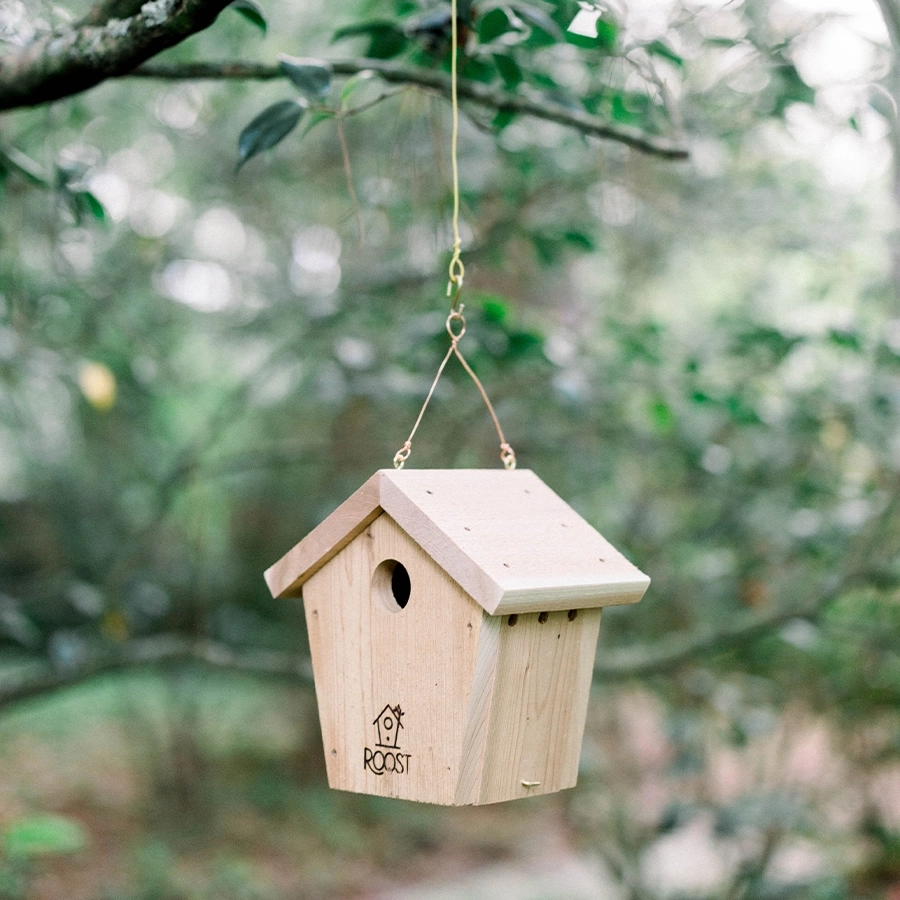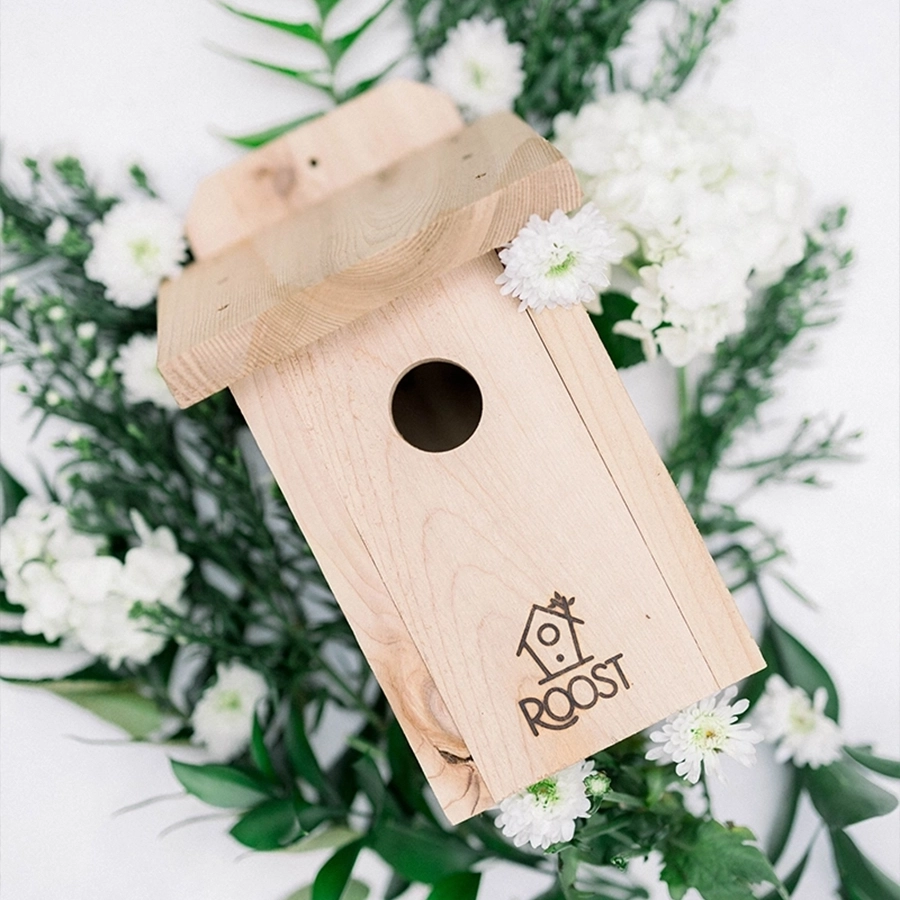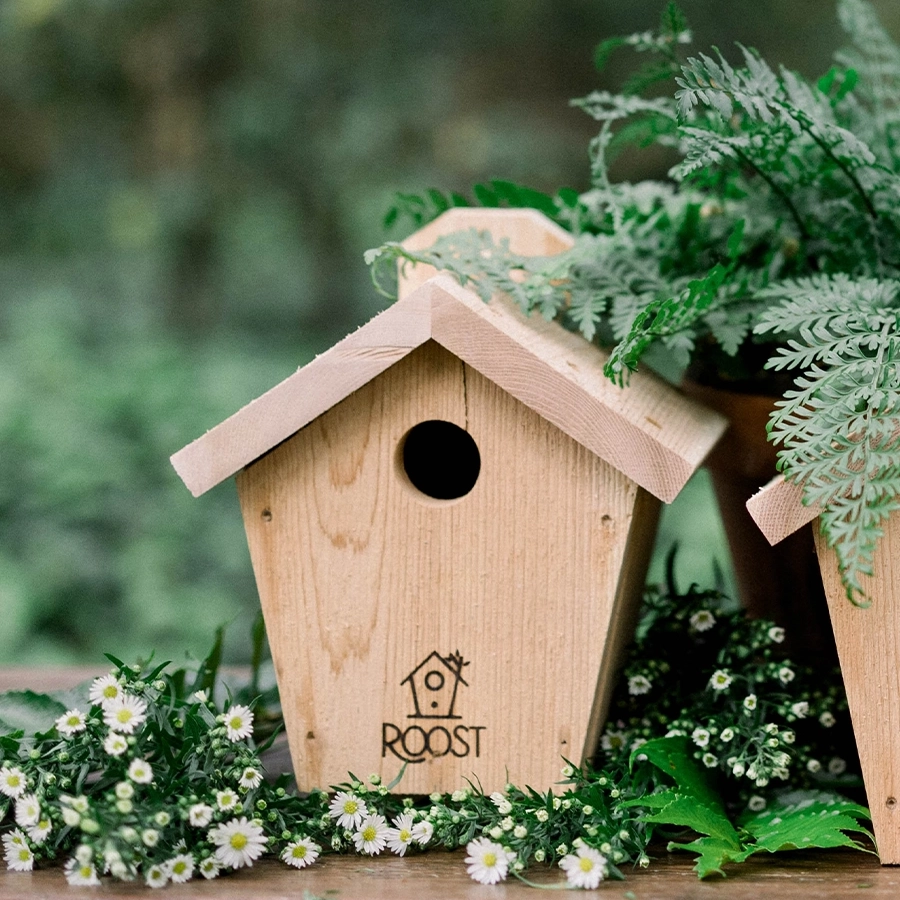
Brand Image

Environmental Impact of Birdhouses

A Sanctuary for Wildlife in a Changing World

Birdhouses play a crucial role in environmental conservation by providing essential habitats for bird species that have lost natural nesting sites due to deforestation and urban development. By offering safe spaces for cavity-nesting birds, birdhouses support population stability, protect birds from predators and harsh weather, and increase reproductive success—factors essential for survival. This in turn supports local biodiversity, as birds are key players in the natural ecosystem. They aid in insect control, pollination, and seed dispersal, all of which contribute to a balanced and healthy environment.

Crafted from sustainable wood, our birdhouses also transform cut-down trees into eco-friendly habitats, restoring a bit of what has been lost. Moreover, placing birdhouses in reforested or rehabilitated areas can encourage the return of native species, accelerating ecosystem recovery. Birdhouses also attract birds to gardens, parks, and green spaces, fostering a closer human connection to wildlife.

Restoring Lost Roosting Spaces

In forests and wooded areas, birds traditionally rely on natural cavities in old trees, fallen logs, or dense vegetation for shelter and nesting. However, as humans continue to clear forests for agriculture, urban development, and timber, these natural sanctuaries are disappearing. Birdhouses provide a meaningful way to restore some of what has been lost, using sustainably sourced wood to give birds a safe place to roost in areas where such options are scarce. 

For cavity-dwelling species that have become heavily reliant on human-made nest boxes, birdhouses have become a vital lifeline that is crucial for survival. Those populations rebound in areas where birdhouses are provided, showcasing how simple structures can positively impact entire species.

Enhanced Protection and Security

A birdhouse offers birds protection from a range of environmental hazards, including predators, extreme weather, and human disturbances. While birds can adapt to some challenges, a protected roosting space can significantly improve their ability to raise young safely, free from the constant threats they might face in open or exposed environments. In urban or suburban settings, birdhouses provide an oasis where birds can avoid common hazards like cars, stray cats, and human foot traffic.

Supporting Survival

Birdhouses enhance birds’ ability to reproduce by giving them a secure environment to build nests, incubate eggs, and rear fledglings. A single birdhouse can increase the chances of successful reproduction for a bird family season after season, contributing to stable populations and supporting biodiversity. By providing safe nesting spaces, birdhouses help ensure that these species continue to flourish, even as their natural habitats disappear.

Encouraging Connection with Nature

Birdhouses also serve as a bridge between people and wildlife, attracting birds closer to human spaces and allowing families to enjoy birdwatching from their own backyards. Watching birds go about their daily lives—nest building, feeding their young, or simply singing—enhances people’s connection to the natural world.

Sustainability & Positive Impact

Creating birdhouses from reclaimed or sustainably harvested wood provides an eco-friendly approach to bird conservation, giving a second life to the trees that have been cut down. By repurposing wood, we turn a loss into a gain, creating a habitat where none existed.

Preserving Natural Harmony

In providing birdhouses, we are not just creating homes for bird families, we are contributing to a balanced ecosystem where these animals play essential roles. Each birdhouse becomes a building block in preserving the natural harmony of our world, making a lasting environmental impact, one nest at a time.